Why BBP A+ Accredited Floor Care Matters for Tile and Grout
When you walk into a room with clean tile floors, you feel it. The air smells fresher, the light bounces differently off the surface, and there is a quiet satisfaction that comes from knowing the space is truly clean. But achieving that level of cleanliness - especially with tile and grout - takes more than a mop and a bucket. It takes a systematic approach, professional-grade products, and often a certification that signals real competence. That is where bbp a+ accredited floor care comes into the picture.
I have spent years working in the floor care industry, and I have seen the difference between a job done quickly and a job done right. Tile and grout are porous. They trap dirt, bacteria, and odors in ways that carpet or hardwood do not. A surface-level cleaning might make the floor look better for a day or two, but without proper technique and the right chemistry, the grout lines stay dark and the tile loses its luster. That is why more homeowners and property managers are looking for professionals who follow a recognized standard. bbp a+ accredited floor care is one such standard, and it has changed how I approach every project.
What Does BBP A+ Accreditation Mean?
BBP stands for a specific certification program that focuses on best practices in floor care. The "A+" rating is not handed out lightly. It means the provider has demonstrated a high level of skill in cleaning, sealing, and maintaining a variety of floor surfaces, especially tile and grout. For a homeowner in the Phoenix Valley, this accreditation is a shortcut to trust. Instead of guessing whether a contractor knows what they are doing, you can look for that badge and know they have passed a rigorous evaluation.
Connect with us on LinkedIn.
In my own experience, the training behind bbp a+ accredited floor care covers more than just which chemical to use. It teaches proper pH balancing, dwell times, and the importance of rinsing thoroughly. It also emphasizes the difference between cleaning and sealing. Many people think sealing grout is optional. It is not. Unsealed grout absorbs moisture and stains like a sponge. Within months, even with regular cleaning, it can look dingy. A certified professional knows that sealing is a critical step, and they apply it with the right tools and materials.
Why Tile and Grout Need Special Attention
Tile itself is durable, but the grout between the tiles is the weak point. Grout is essentially cement, and it is full of tiny pores. Over time, those pores collect grease, soap scum, and tracked-in dirt. In a kitchen, that can mean bacteria from food spills. In a bathroom, it can mean mold and mildew. Standard cleaning solutions often fail to reach deep into those pores. That is where professional methods differ.
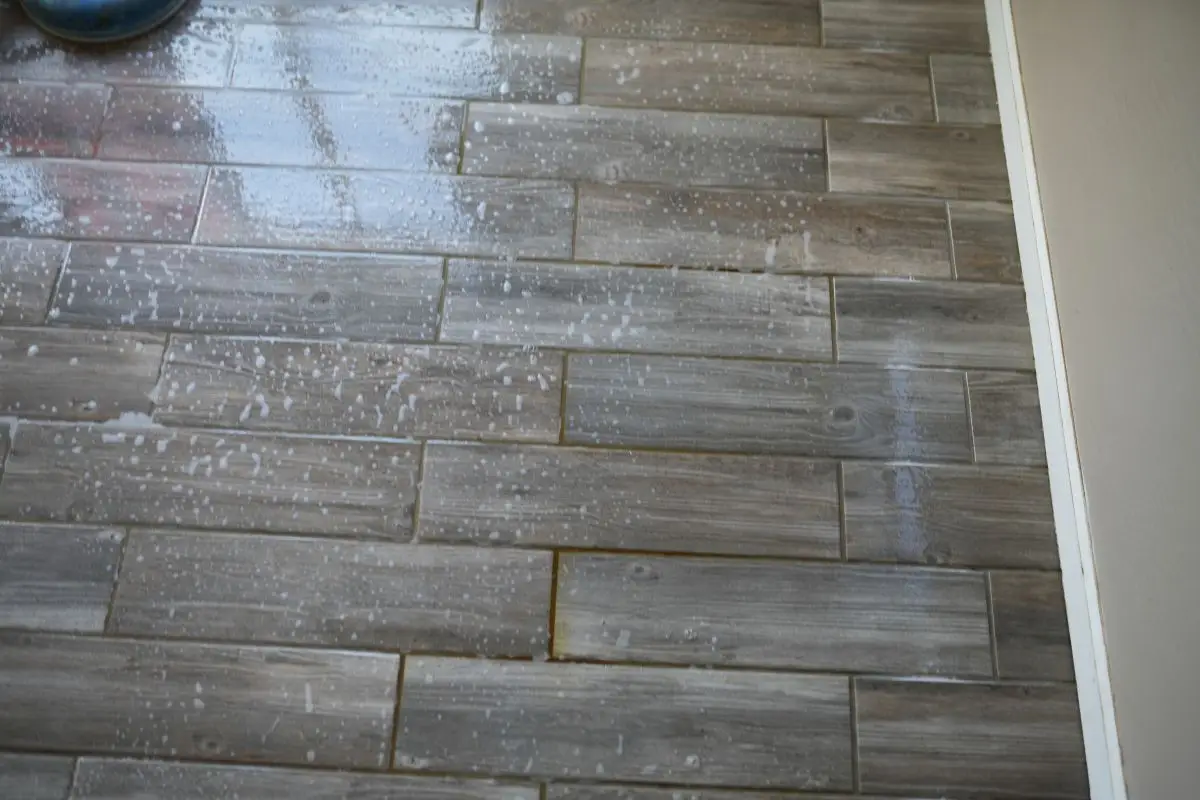
I remember a job where the homeowner had tried every store-bought grout cleaner they could find. Nothing worked. The grout had turned a permanent gray, and the tile had a hazy film. When I brought in the equipment and solutions used in BBP A+ accredited floor care, the result was immediate. The grout lightened up, the tile regained its original shine, and the homeowner was surprised at how much brighter the room felt. That is not magic. It is the result of understanding the science of cleaning.
The Role of Equipment and Technique
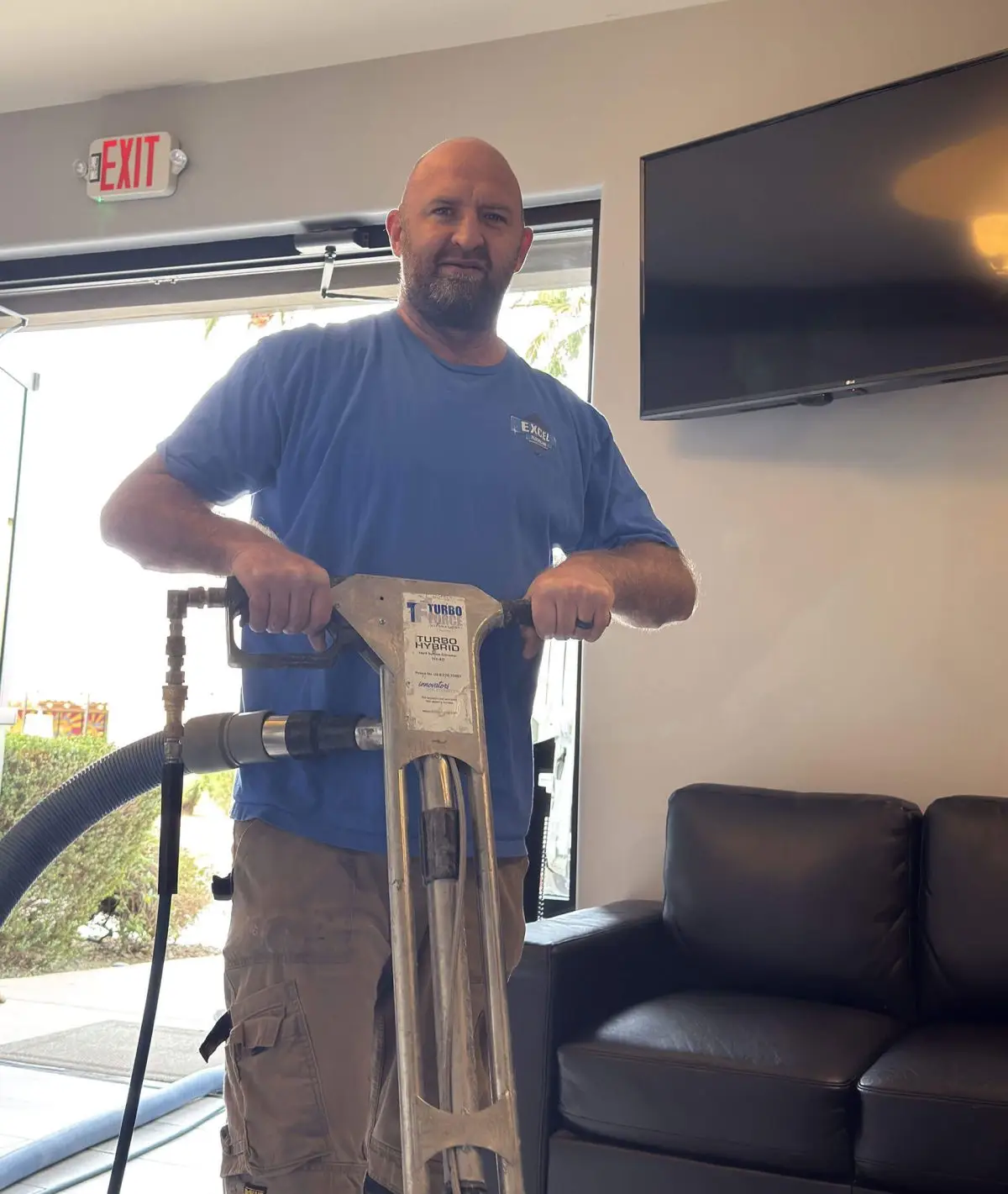
Another aspect of professional floor care that often gets overlooked is the equipment. Household mops just push dirty water around. They leave behind a thin layer of soil that dries and attracts more dirt. Professional machines use counter-rotating brushes, high-pressure extraction, and powerful vacuums to lift soil out of the grout lines. Combined with the right cleaning agents, this approach can restore tile that looked beyond saving.
I have also learned that technique matters just as much as the machine. The angle of the brush, the speed of the pass, and the temperature of the water all affect the outcome. A BBP A+ accredited professional has practiced these variables until they become second nature. They know when to use a more aggressive pad and when to switch to a gentler approach. This judgment comes from experience, not just a manual.
Common Mistakes in DIY Floor Care
Many homeowners try to save money by cleaning tile themselves. I understand the impulse. But there are a few common mistakes that often lead to disappointment:
- Using vinegar or bleach on grout, which can etch the surface and weaken the cement over time.
- Over-wetting the floor, which forces moisture into the subfloor and can cause mold growth.
- Applying a sealer without properly cleaning first, which locks in dirt rather than preventing it.
- Using too much product, leaving a sticky residue that attracts more dirt.
- Scrubbing too hard, which can dull the tile's glaze.
A professional who follows bbp a+ accredited floor care guidelines avoids all of these pitfalls. They use neutral pH cleaners, controlled moisture, and the correct dilution ratios. The result is a floor that stays cleaner longer and requires less upkeep.
When to Call a Professional
Not every floor needs professional attention every year. But there are clear signs that it is time. If the grout is dark even after scrubbing, if the tile feels rough or sticky, or if there is a musty smell that does not go away, then a deep cleaning is overdue. Pet odors are another strong indicator. Urine can soak into grout and tile pores, and standard cleaning will not fully remove it. Odor treatments require enzyme-based cleaners or specialized oxidizers that break down the organic material at a molecular level.
I have worked on homes where the previous cleaning attempts actually made the problem worse. A homeowner once told me they had used a steam cleaner on their grout, thinking the heat would kill bacteria. Instead, the steam drove the dirt deeper into the pores, and the grout looked worse than before. A professional would have known that steam cleaning is not appropriate for all grout types, especially older or unsealed grout. That kind of knowledge comes from training and real-world experience.
Sealing: The Step That Saves Money
One of the most cost-effective services a floor care professional offers is sealing. After the tile and grout are thoroughly cleaned and dried, a high-quality sealer is applied. This creates a protective barrier that repels liquids and makes future cleaning easier. I have seen sealed grout stay bright for years, while unsealed grout in the same house needs deep cleaning every six months. The upfront cost of sealing pays for itself in reduced maintenance and longer floor life.
There are different types of sealers: penetrating sealers that soak into the grout, and membrane-forming sealers that sit on top. Each has its own pros and cons. A BBP A+ accredited professional can recommend the right one based on the tile type, the location (bathroom vs. kitchen), and the household's lifestyle. That personalized advice is something a DIYer rarely gets.
What to Look for in a Floor Care Provider
If you are searching for a tile and grout cleaning service, ask about their certification. Look for evidence of ongoing training, not just a piece of paper. Read reviews, but also ask specific questions about their process. Do they use truck-mounted equipment or portable units? Do they test pH levels during cleaning? Do they offer a satisfaction guarantee? The answers will tell you a lot about their commitment to quality.

For residents of the Phoenix Valley, one option to consider is Excel Floor Care, a locally owned tile and grout cleaning service in Gilbert, AZ, operated by Matt Jordan since 2011. They serve the Phoenix Valley with professional cleaning, sealing, and pet odor treatment, and are located at 105 E Baseline Rd, Gilbert, AZ 85233, USA. You can reach them at +1 480-729-2731.
Choosing a provider who follows a recognized standard like BBP A+ accredited floor care gives you peace of mind. You are not just paying for a service; you are paying for expertise that protects your home's surfaces and your investment. The next time you look at your tile floors and wonder if they could look better, remember that the right care can make all the difference. And that care starts with the right accreditation and the right professional.